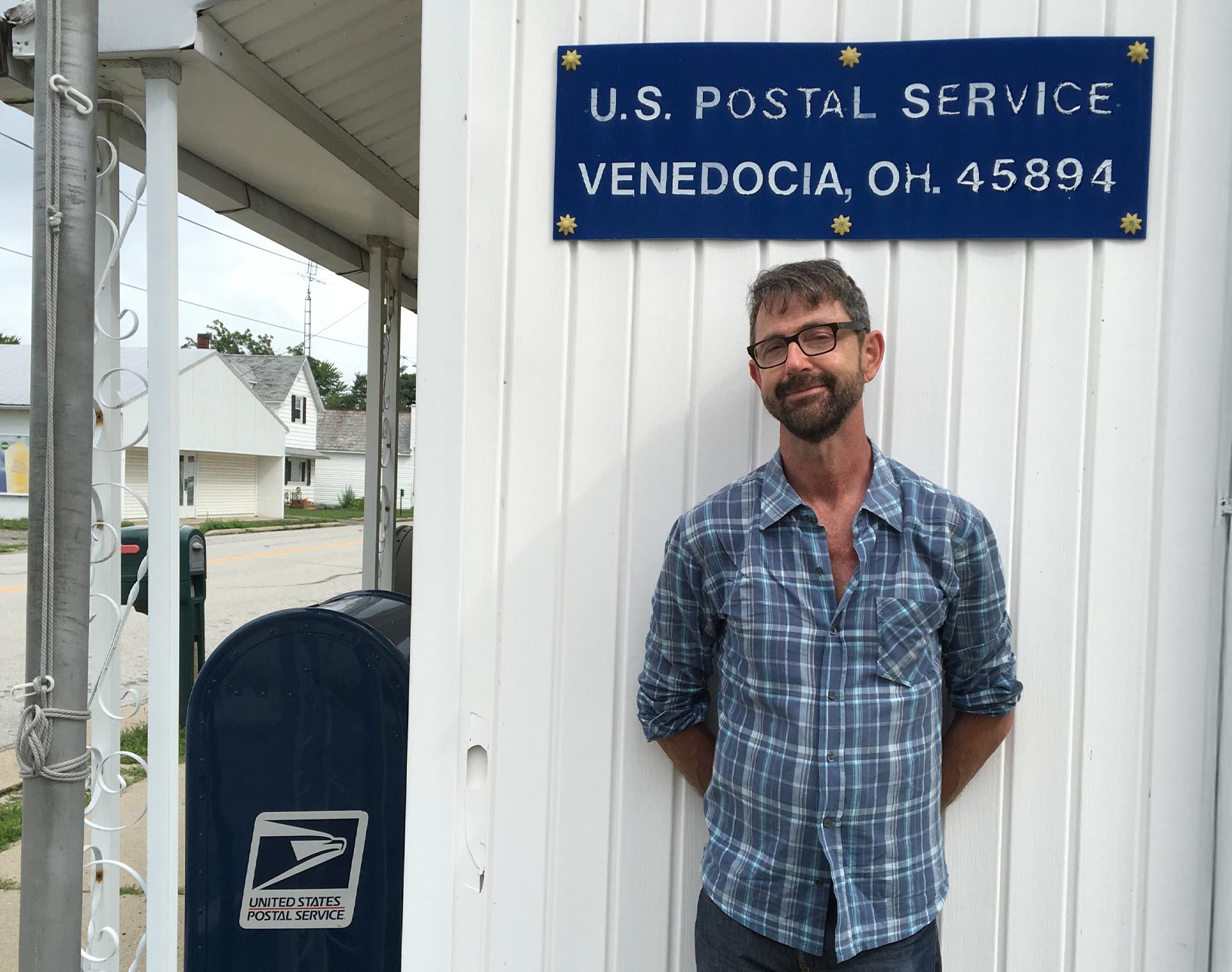

In 2016 we embarked on a photographic journey to historic Main Streets across the USA. We started in Ohio because most of its small towns were planned and developed during the golden age of Main Street, 1850-1950. Ohio was an important incubator for what became the classic American Main Street. We were determined to showcase model towns that might inspire other places.
Four years later, we were still in Ohio. Most towns across the state were not thriving. Places that were once walkable and delightful — with significant architecture and infrastructure — were today increasingly troubled. Vacant storefronts, people wandering in the streets with drug overdoses, and other problems made many town centers inhospitable. Unemployment and other economic problems were apparent. Deterioration was everywhere. The towns that seemed pleasant and safe and prosperous were the exception. Here and there we saw projects that attempted to reinforce a sense of community. But a new tension was growing. New shop owners (often refugees from big cities) fought valiantly against tough economic forces trying to make a go of it on small-town Main Streets. Heroic long-time operators of vintage movie theaters succumbed to the long odds of competing with corporate-owned cinema complexes far from Main Street. We were grateful for the occasional coffee shop run by a person committed to the local community, but boarded-up businesses surrounded these little oases. Sometimes a lonely prayer room was the only sign of life. Like the natural environment that surrounds us, the ecosystem of Main Street was falling apart.
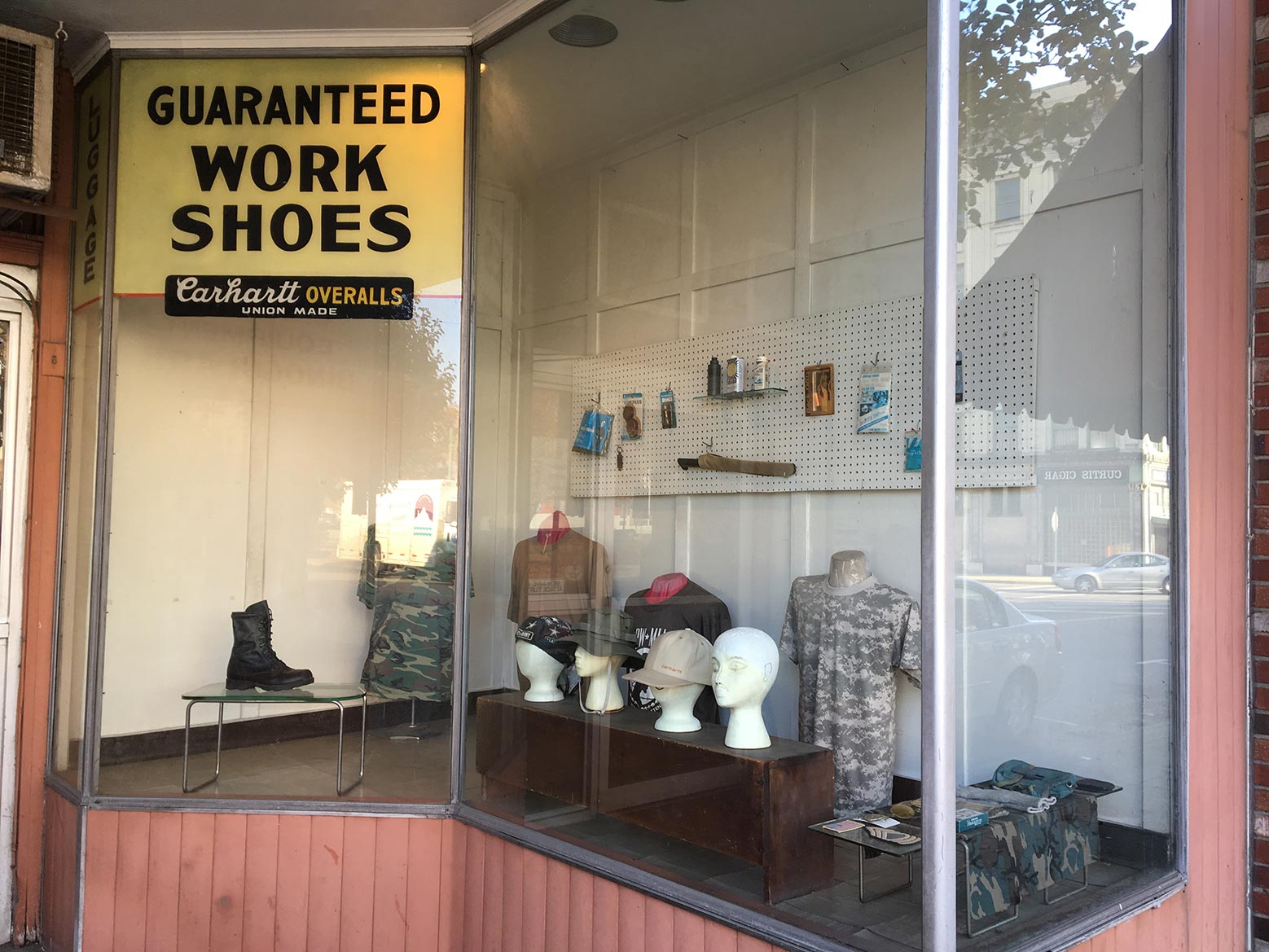
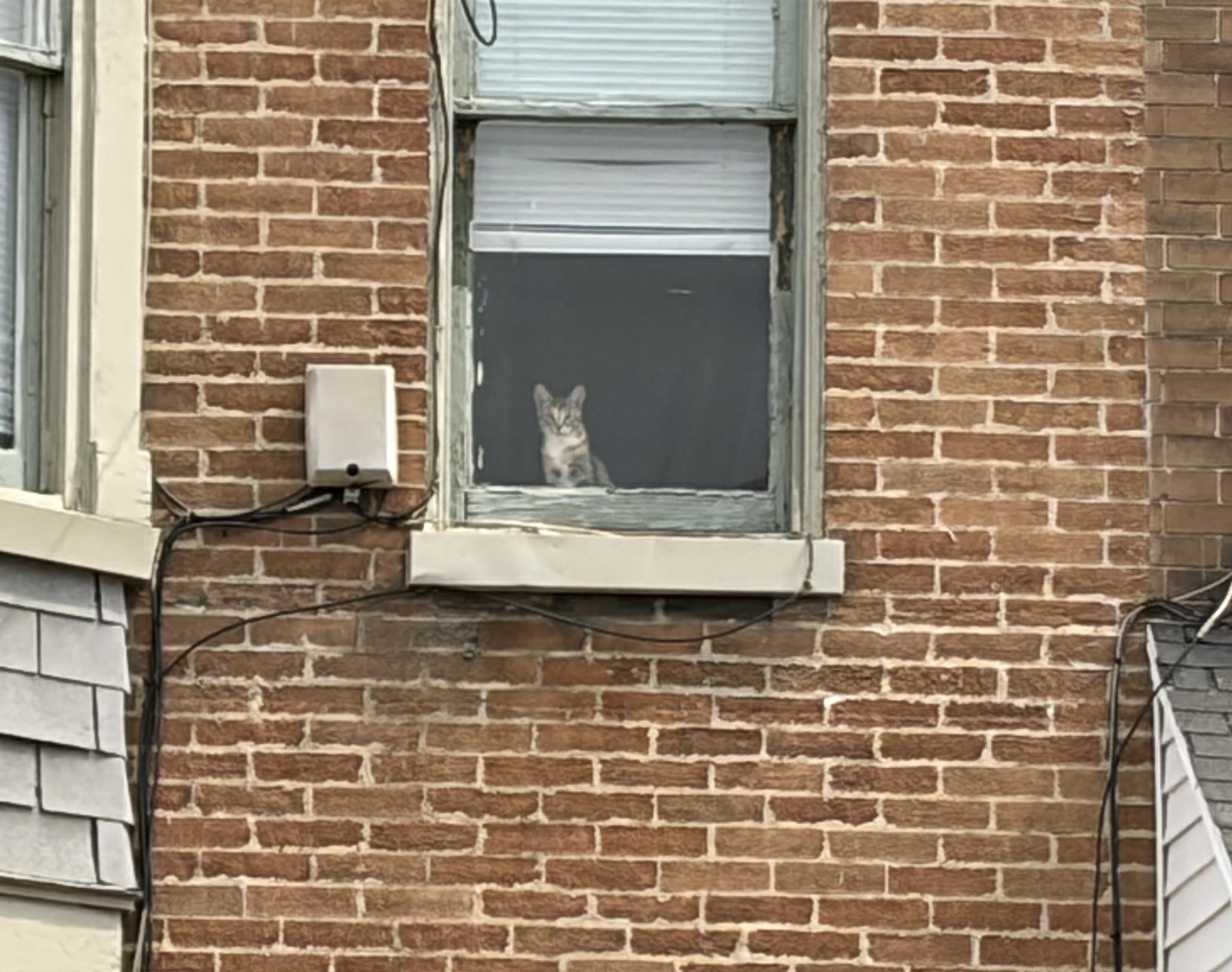
Our earliest photographs and films of commercial corridors captured the state of Main Street and its tributaries at a critical moment in time, just before COVID played the final death knell for small businesses everywhere. There was still some life left on Main Street. Yet many sources of trouble were already well established. By 2020, the discourse, civic consciousness and grit that built Main Street in the previous century seemed quietly absent as we strolled the often-empty sidewalks with our cameras. Was everyone at home in front of the TV, occasionally peeking out from behind their curtains, anticipating the next disaster? Was a control grid of some sort starting to tighten around everyone? It appeared we were living in a country where the “powers that be” were doing everything to divide us and treat us like livestock all the while telling us they were protecting us from each other and outsiders. Main Street was no longer the heart of the heartland it once was. Forces in far-away places were now determining the future that was once in the hands of local citizens.
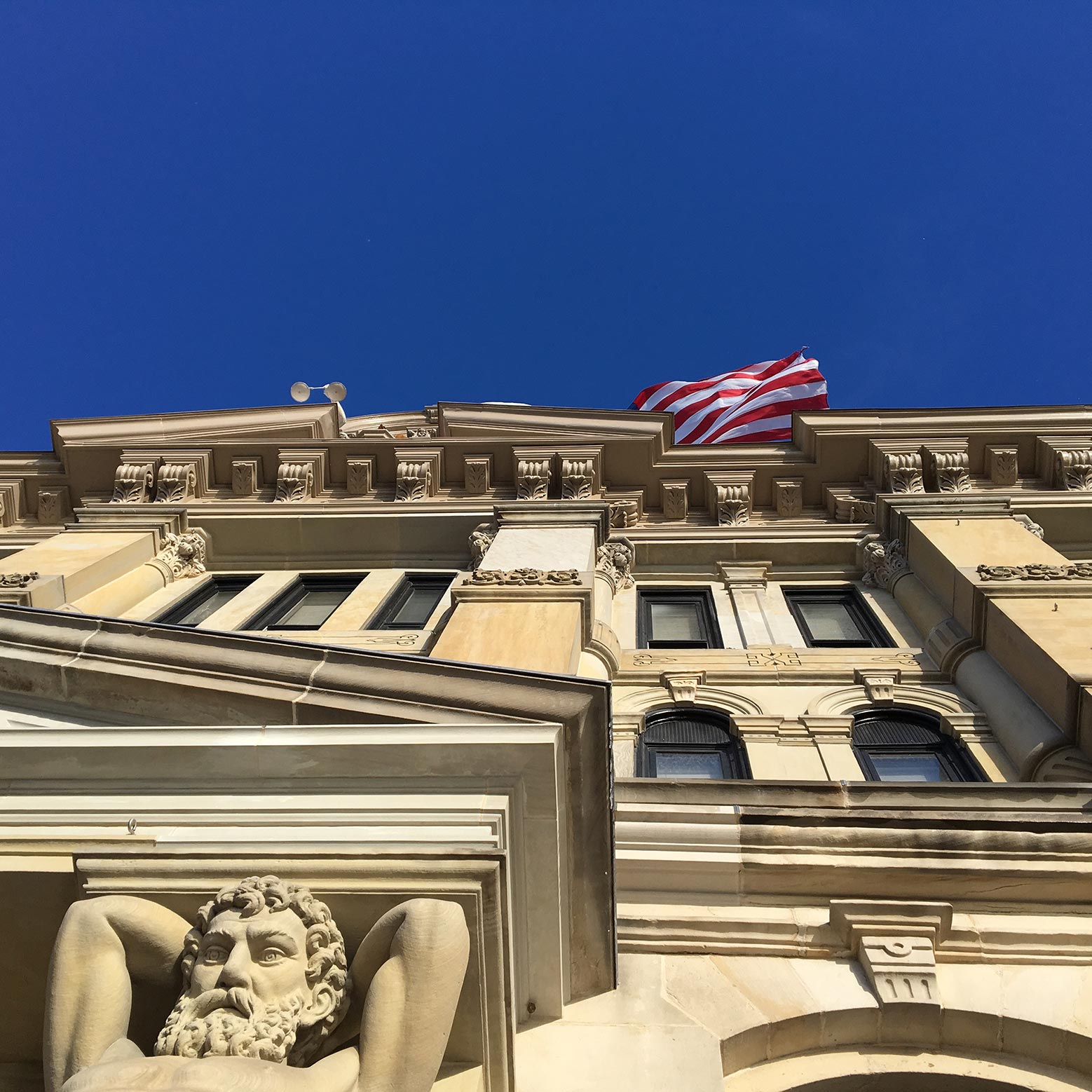
Since our tour of duty in Ohio, we have branched out into other regions. We have visited more than half of the states, from California to New England. We are currently exploring the amazing historic towns of Southeastern Pennsylvania. But our initial idea of inspiring small town devotees and urban idealists became something far beyond our original intentions. We realized from the beginning that Main Streets were struggling. We also noted isolated examples of ambitious entrepreneurs who attempted to bring new life to struggling towns. But we were troubled by the depth of despair that had descended across much of the country. The opioid crisis had shown up in many guises, and corporate exploitation was apparent everywhere. National chain stores were quickly underpricing local retailers. Expanded state and federal highway systems undermined walkability.
Who is the audience for our work today, and how has our work evolved? Above all we are committed to conveying a new viewpoint, not simply satisfying a taste for ruins nor marketing a storybook fantasy. Our photographs and films convey a critical state of the times. Graffiti-scarred civic murals, decaying historic fabric, a lone pedestrian trying to navigate alongside endless tractor trailers barreling through town, a bridal gown behind a dust-fogged window, a handsome front porch given over to storage or cigarette butts are some of the scenes in this panorama. Our work captures a world most people overlook on their way to someplace else. But not that long ago Main Street was the backbone and soul of thousands of small towns and neighborhoods. The compositions we create in our writing, photography, film and drawings are meant to be seen as beautiful and seductive. Like Andrew Wyeth and John O’Hara and Sherwood Anderson we see “ordinary” places and objects as important works of art to be enframed and exhibited for careful study and appreciation.
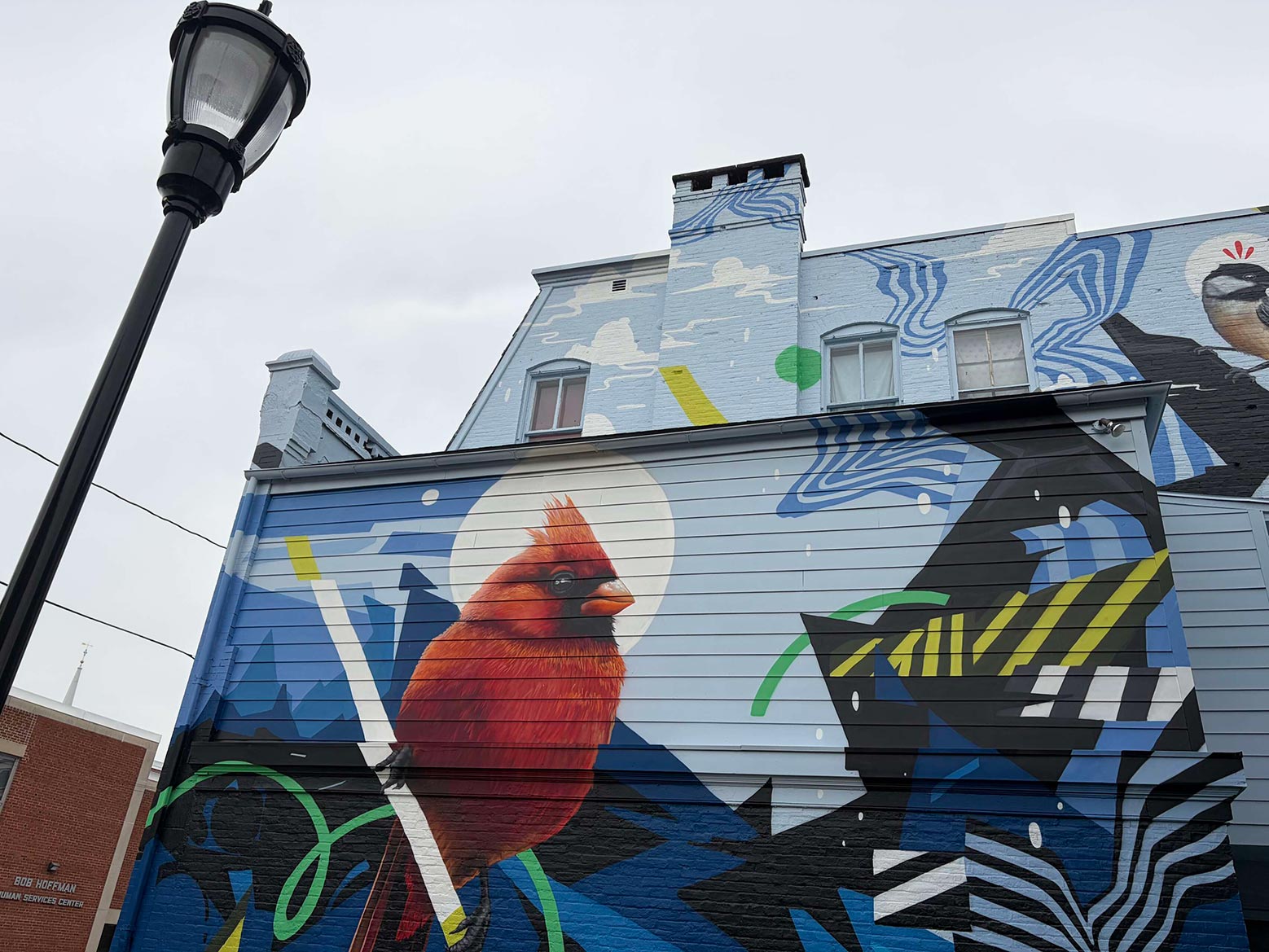
The composition of each of our photographs includes many elements, including a rich atmosphere defined by distinctive light. We are driven by the desire to make a beautiful picture that pulls the viewer in. Each photograph is a careful composition that tells many stories for those with the patience to pause and really see the many details of the life of a street or a building. They present an unconventional beauty to the viewer: a narrative of time, ambition, and disappointment, as well as possibility. As we see beauty, in addition to tragedy and disaster, we can reconnect with lost places and re-imagine them. Thoughtful composition, careful framing, and interpretive labels and essays underscore the poetry of these photographs. Vulnerability may be the overriding quality captured in each of the places we freeze in an image. These are places that were thoughtfully designed, built and nurtured. Despite the idiosyncrasies of the scenarios we’ve studied, we’ve been able to identify the beauty and poetry of each scene in of our photographs.
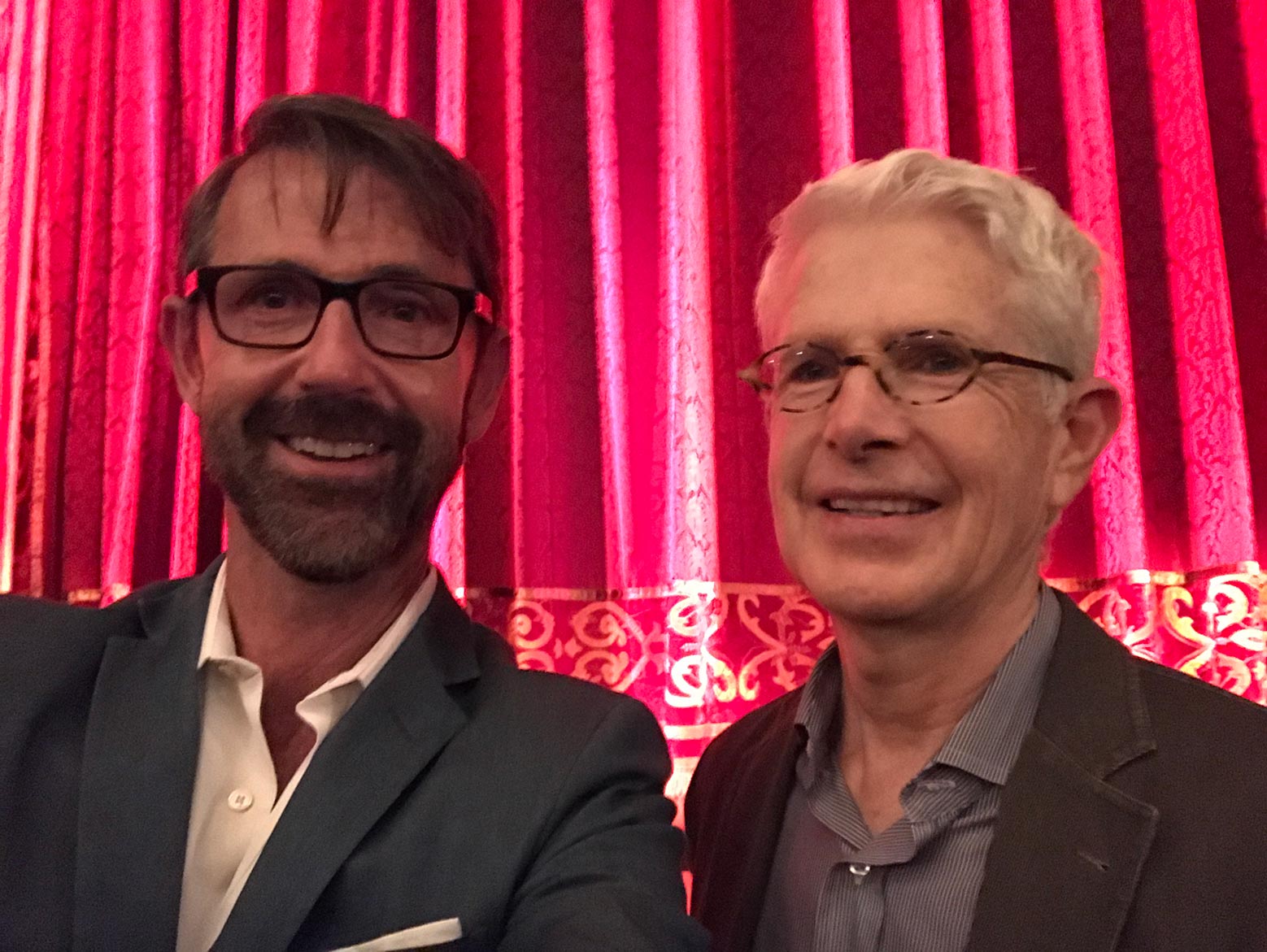
Today, in the Summer of 2026, Martin Treu spends much of his time in London where he continues to sketch and photograph historic urban places in which traditional retail and residential districts coexist in walkable compatibility. In England he can live without a car and walk and use public transportation as most Americans did during the heyday of the classic Main Street. His ongoing analysis and documentation of American streetscapes bring him back to the United States regularly. He contributes articles and speaks publicly on topics including the preservation of historic signs and commercial architecture.
Michael McDonough is currently living in Southeastern Pennsylvania. Whenever he has the urge to get out onto a Main Street again, he has many nearby towns where he can drive to see healthy thriving Main Streets as well as lackluster places–former centers of local commerce that are now mostly abandoned or taken over by clever entrepreneurs who attempt to create tourist destinations for people from large nearby cities. The new faux Main Streets of America are geared to visitors who want to pretend they are living in the olden days. We rarely see shops and businesses that serve the local population. For such services we need to drive to the local highway malls where the big-box retail world sells all of our daily necessities.
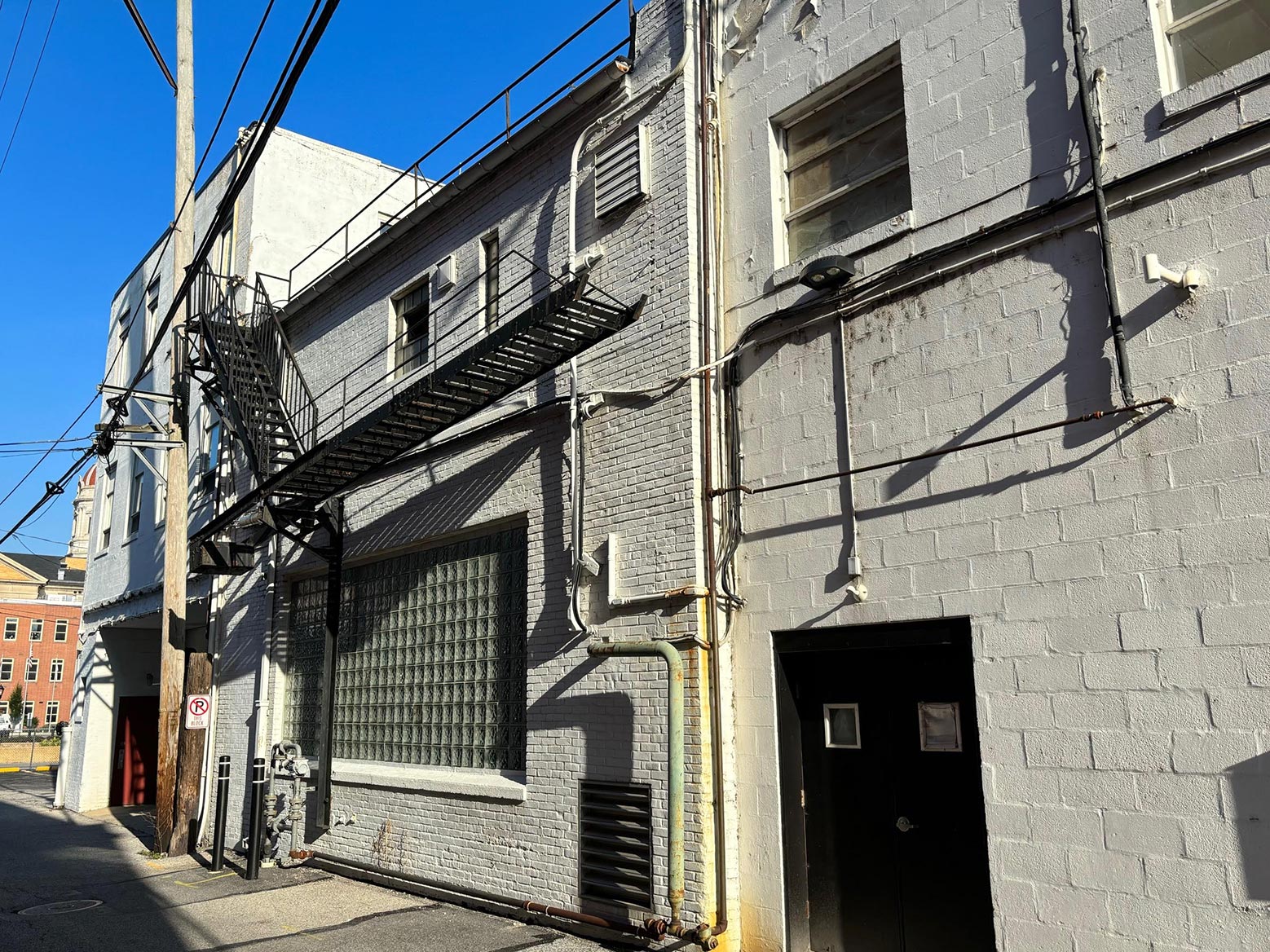
Lining the walls of our gallery are dozens of large framed photographs from the time that we have spent with our eyes on Main Street. These photographs show how traditional town centers (along with adjacent residential streets) looked during the first quarter of the 21st century when they evolved away from what made them viable community centers and submitted to tourism, data centers, internet shopping and socializing, house flippers and slumlords, and the automobile. Everywhere we went we documented small towns as they evolved into centers for tractor trailer speed traps, free handouts, free human services, protest, and crime. Local politicians continue to work hand in hand with outside interests to exploit what local resources are left to be exploited. The manifestations of these influences are revealed in the body of work we are creating. We are not merely clinging to the wreckage of a dying civilization but rather looking for life and possibility, for a new experience of old places. In the historic Main Streets of America we can see how the wisdom of our ancestors manifested in placemaking. We cannot abandon these places. Their lessons are too valuable to ignore. Perhaps the trauma we capture in our photographs serves as a wakeup call. We continue to travel back and forth across this country observing life along its precious local Main Streets. This is an evolving project.
Eye on Main Street, Inc. — York, Pennsylvania USA
